
Understanding the Difference Between Passive & Active Relaxation
Luminecta Studio | MAR 1, 2025
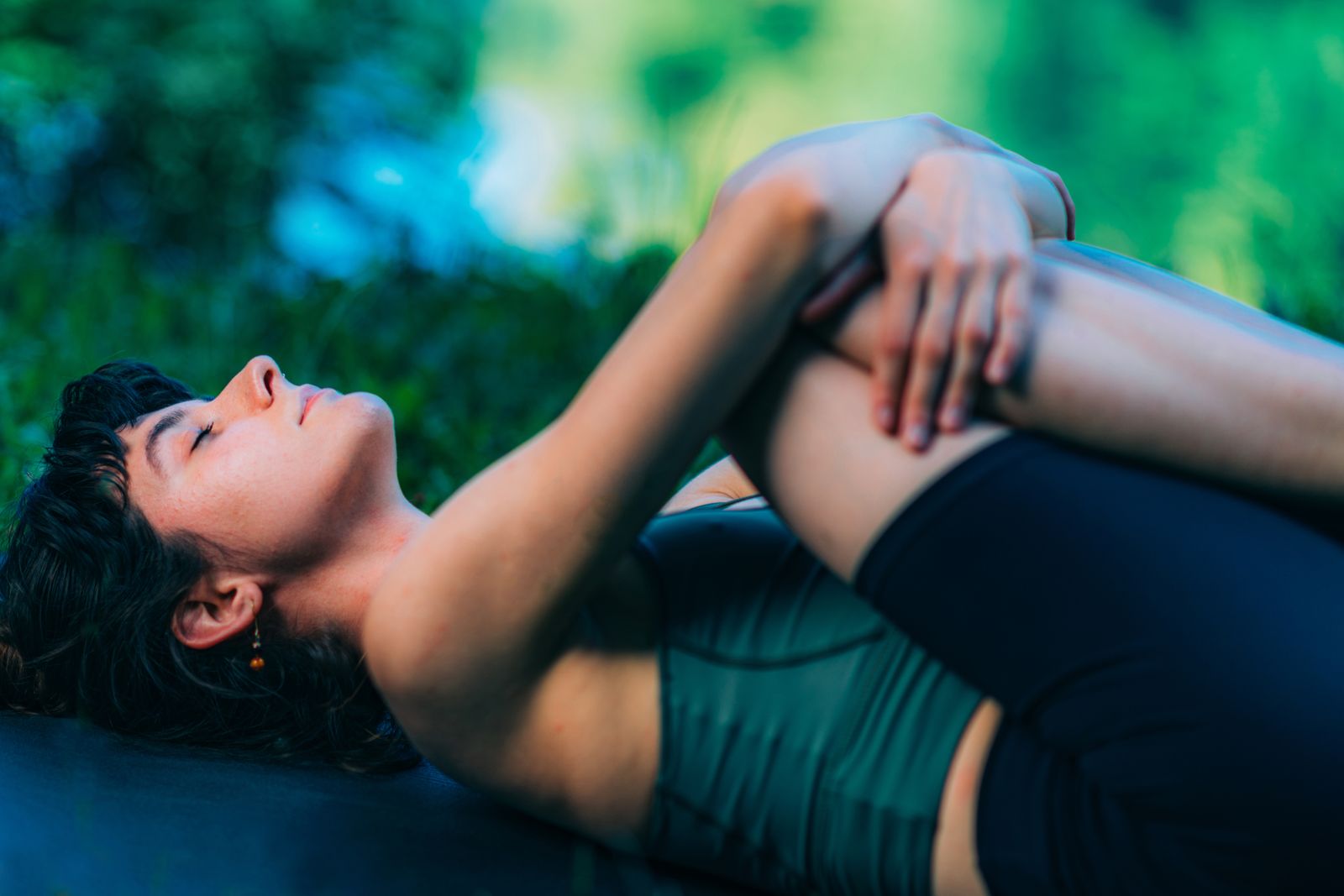
In our hectic modern lives, relaxation is essential for maintaining mental and physical well-being. However, not all relaxation methods are created equal. Broadly speaking, relaxation techniques can be classified into two categories: passive relaxation and active relaxation. Understanding the differences between these two approaches can help you to more effectively manage stress and improve overall health.
What is Passive Relaxation?
Passive relaxation refers to methods that require minimal effort and involvement. These activities typically involve letting go of tension and allowing your body and mind to relax without actively engaging in a specific practice. Passive relaxation examples include:
- Watching TV or Movies: Engaging in a favorite show or film can provide a temporary escape from stress, allowing the mind to switch off.
- Listening to Podcasts: Interesting podcasts can create a calming environment, promoting relaxation without requiring active participation.
- Napping: A short nap can help recharge your energy levels, offering a brief respite from daily stressors.
- Reading: Immersing yourself in a book can provide a mental getaway, allowing your mind to focus on something other than daily concerns.
Benefits of Passive Relaxation
1. Immediate Stress Relief: Passive relaxation techniques can provide quick relief from stress, allowing you to unwind without a significant time commitment.
2. Simplicity: These methods require little preparation or effort, making them accessible to almost anyone.
3. Mental Distraction: Passive activities can help divert your attention from stressors, providing a temporary escape.
What is Active Relaxation?
Active relaxation, on the other hand, involves engaging in activities that require conscious effort and participation. These practices often incorporate mindfulness, physical movement, or both, and they can lead to more profound and lasting benefits. Examples of active relaxation include:
- Yoga: This practice combines physical postures, breath control, and meditation to promote relaxation, flexibility, and mental clarity.
- Meditation: Engaging in meditation encourages mindfulness and self-awareness, helping to calm the mind and reduce stress.
- Deep Breathing Exercises: Techniques like diaphragmatic breathing can enhance relaxation and promote overall well-being.
- Physical Exercise: Activities such as yoga, dancing, or simple taking a walk in the forest, can release endorphins, which can improve mood and reduce stress.
- Progressive Muscle Relaxation: This technique involves tensing and then relaxing different muscle groups to promote physical and mental relaxation.
Benefits of Active Relaxation
1. Long-Lasting Stress Reduction: Active relaxation techniques often lead to more meaningful and lasting reductions in stress and anxiety levels, as they foster a deeper connection between mind and body.
2. Improved Physical Health: Many active relaxation methods, particularly physical activities, enhance cardiovascular health, boost energy levels, and improve overall fitness.
3. Emotional Resilience: Engaging in active relaxation can help build emotional resilience, enabling individuals to cope better with stressors and challenges.
4. Enhanced Mindfulness: Active relaxation practices cultivate mindfulness, promoting awareness and presence in the moment, which can lead to a greater sense of calm and well-being.
Cultivating Stress Resilience
Finding ways to unwind and recharge is essential for maintaining our mental and physical well-being. While passive relaxation activities, such as watching TV or scrolling through social media, may offer immediate distractions and a quick escape from daily stressors, they often fail to provide the deeper sense of rejuvenation and fulfillment that many of us truly seek. Active relaxation activities can provide a wealth of benefits that can enhance overall health and well-being by engaging both the mind and body. By prioritizing physical movement, mindfulness, and self-awareness, you can cultivate a deeper sense of calm and stress resilience in your life. Some active relaxation techniques, such as those related to meditation and breathing, can also be implemented in everyday activities offering a more transformative approach to overall lifestyle and more lasting impacts.
Luminecta Studio | MAR 1, 2025
Share this blog post
